
PVC, Non-Woven and Vinyl Wallcovering: Price and Market Positioning
For distributors and project buyers, these three products usually serve different price levels, customer groups and project environments.
| Comparison | Standard PVC Wallpaper | Non-Woven Wallpaper | Vinyl Wallcovering |
|---|---|---|---|
| Typical Price Position | Lower to mid-range | Mid-range to higher | Mid-range to premium project pricing |
| Main Cost Reason | Mature production process, larger production volumes and easier cost control | Higher-cost non-woven substrate and greater requirements for material stability and production control | Heavier construction, durable vinyl surface, project-oriented backing and wider roll formats |
| Main Advantages | Broad pattern selection, convenient maintenance and strong value for money | Better dimensional stability, easier installation and a generally softer, more refined appearance | Stronger surface durability, easier maintenance and better suitability for busy commercial interiors |
| Primary Market | Mass-market homes, rental properties and wholesale or retail wallpaper ranges | Mid- to high-end homes, bedrooms, living rooms and design-led projects | Hotels, offices, retail spaces, restaurants and other commercial projects |
A decorative PVC face, commonly on a paper base, for broad residential ranges and light-commercial use.
A dimensionally stable fiber substrate; its cleanability still depends on whether the face is printed, coated or vinyl-covered.
A durable vinyl face combined with a suitable backing for hotels, offices, retail spaces and other contract interiors.
Start with the Project, Not Only the Pattern
Color and pattern attract attention first, but material construction determines how a wallcovering performs after installation. A collection intended for apartment retail may need accessible pricing and broad design variety, while a hotel corridor or office project may place greater importance on abrasion resistance, cleanability and long-term replacement planning.
Before selecting a material, buyers should consider four practical questions:
- Is the product intended for residential, hospitality, retail, office or another commercial application?
- How much daily contact, cleaning and wear will the wall receive?
- What type of wall surface and installation method will be used?
- Does the market prioritize easy maintenance, a softer appearance or commercial durability?
First Understand What Each Name Actually Describes
| Market Name | What the Name Mainly Describes | Typical Construction | Professional Interpretation |
|---|---|---|---|
| PVC Wallpaper | The decorative surface material | Printed or embossed PVC face, commonly on a paper base | Usually positioned as decorative roll wallpaper for homes, apartments, retail ranges and light-commercial interiors. |
| Non-Woven Wallpaper | The fiber substrate or main sheet construction | Cellulose and synthetic fibers; the face may be printed directly or receive another coating | Known for dimensional stability, convenient installation and a soft, refined appearance. |
| Vinyl Wallcovering | The finished product construction and intended performance | Durable vinyl surface with a suitable backing | Often selected for contract interiors where durability and easier maintenance are priorities. |
01 · Everyday Versatility
PVC Wallpaper: Practical Choice for Broad Market Demand
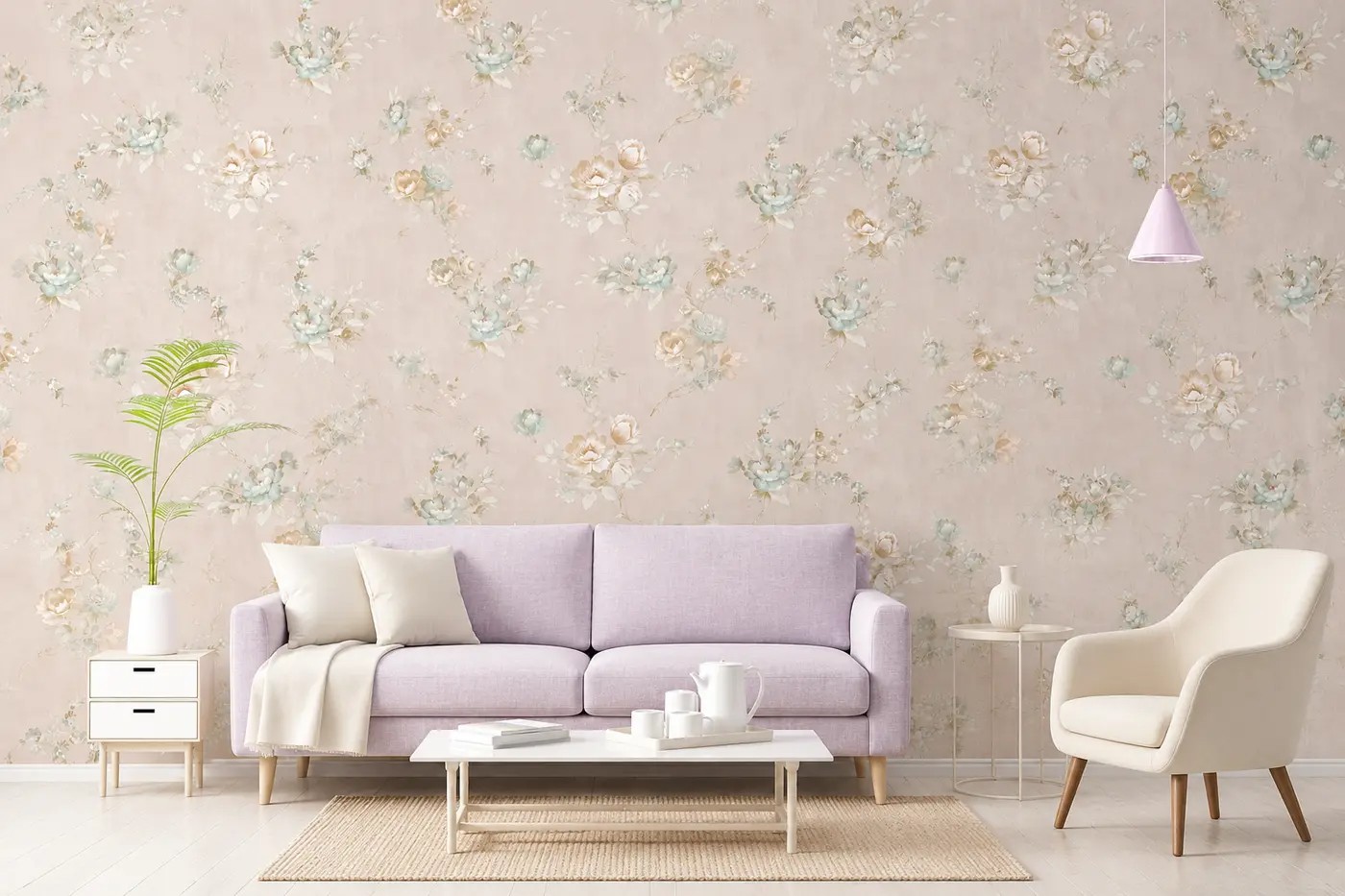
PVC wallpaper normally combines a relatively light decorative PVC face with a paper or other supporting base. It is widely used because it balances design flexibility, everyday wipeability and competitive cost. Embossing, printing and surface finishing can create floral, geometric, textile-look, stone-inspired and other effects for different regional markets.
Main Advantages of PVC Wallpaper
- Easy everyday maintenance: many PVC surfaces can be wiped gently with a damp cloth.
- Better surface protection than uncoated paper: useful where occasional marks and normal indoor humidity are expected.
- Wide design selection: printing and embossing processes support varied colors, patterns and textures.
- Accessible positioning: practical for distributors building a broad, fast-moving retail assortment.
- Familiar roll format: convenient for common residential renovation and decoration projects.
Where PVC Wallpaper Works Best
Choose PVC wallpaper when: the priority is a broad decorative collection, accessible wholesale positioning and easier everyday maintenance for homes, apartments, rental properties, wallpaper stores or light-commercial rooms.
Do not treat it as the automatic choice when: the wall is in a high-traffic corridor, healthcare environment or another contract space requiring frequent cleaning. A more durable vinyl wallcovering is usually the more suitable option in those areas.
02 · Refined Residential Finish
Non-Woven Wallpaper: Stable and Installer-Friendly
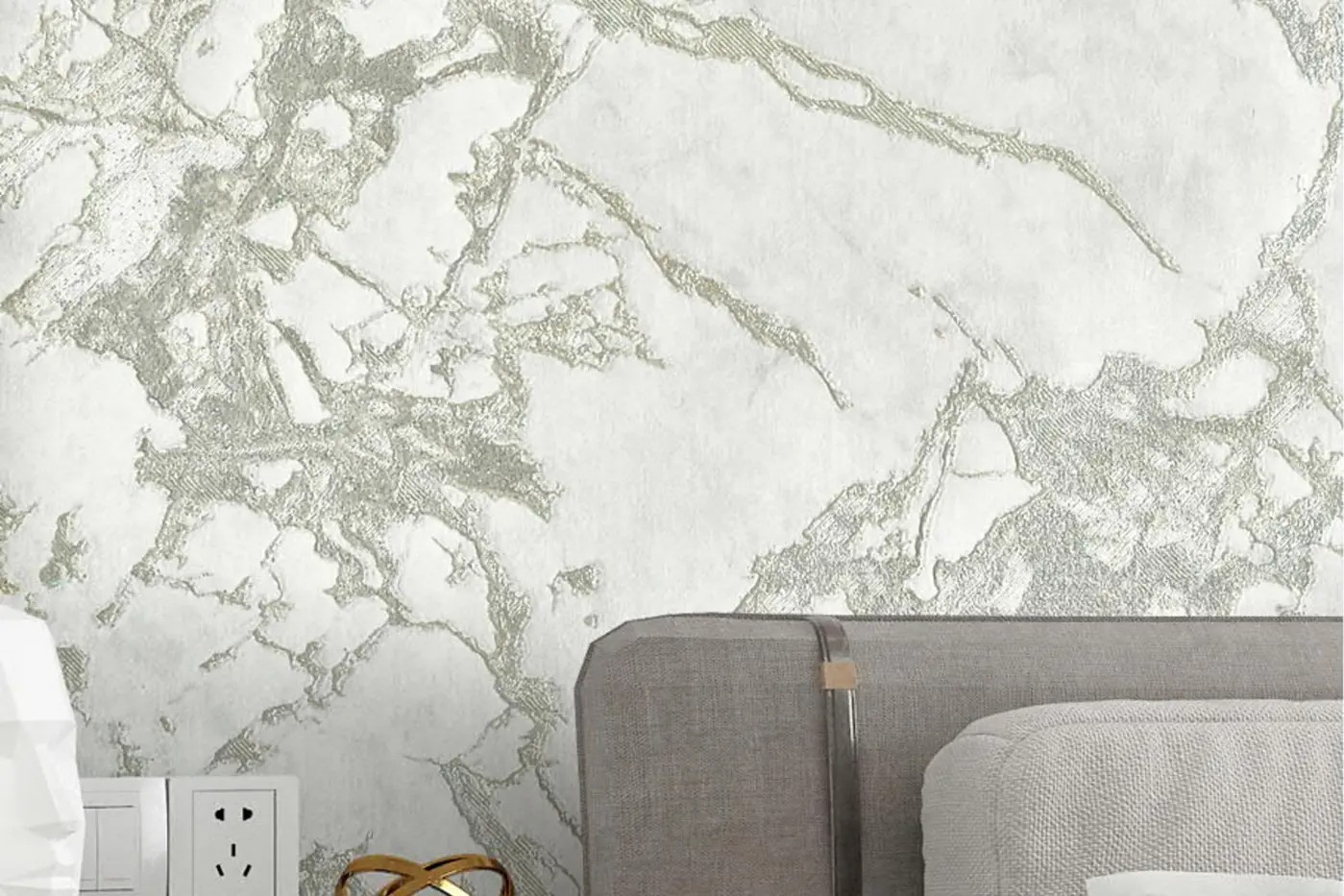
Non-woven wallpaper uses a fiber-based substrate, commonly made from cellulose and synthetic fibers. The design may be printed directly on that substrate, or the non-woven layer may sit beneath a coated or vinyl face. The substrate is valued for dimensional stability and tear strength, but the surface layer determines stain resistance and cleaning performance.
Main Advantages of Non-Woven Wallpaper
- Good dimensional stability: the material is designed to resist excessive expansion and contraction during installation.
- Convenient handling: many products are easier to position and trim than traditional paper-backed wallpaper.
- Efficient installation: some non-woven products support paste-the-wall application, subject to the product instructions.
- Refined matte options: directly printed or lightly coated versions can provide a softer, less plastic-looking surface.
- Useful for renovation markets: often selected for bedrooms, living spaces and apartments where installation convenience matters.
Where Non-Woven Wallpaper Works Best
Choose non-woven wallpaper when: the priority is stable handling, easier positioning, a refined matte appearance or a renovation-friendly product for living rooms, bedrooms, apartments, offices and design-led retail collections.
Do not select it by backing alone when: the project requires regular washing or heavy wear. An uncoated non-woven face and a vinyl-coated non-woven product can perform very differently. Confirm the face material, washability rating and removal method for the exact collection.
03 · Commercial Performance
Vinyl Wallcovering: Performance for Commercial Interiors
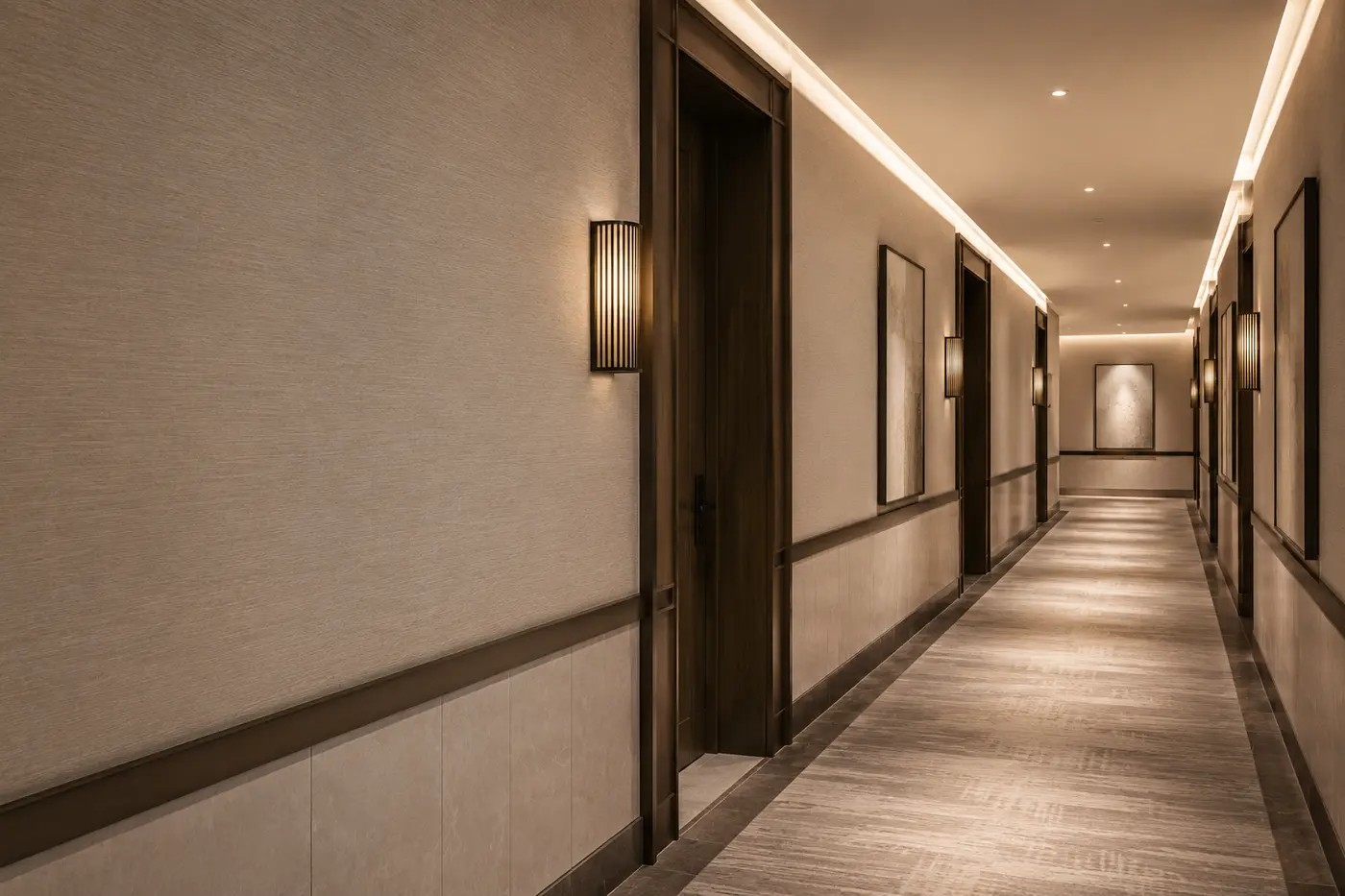
Vinyl wallcovering generally refers to a performance-oriented construction used in contract interiors. It commonly uses a durable vinyl surface with a suitable backing and is often supplied in wider, heavier formats than decorative wallpaper.
Main Advantages of Vinyl Wallcovering
- Strong surface durability: its durable construction is suitable for more frequent contact and routine wear.
- Enhanced cleanability: useful in interiors that require regular maintenance.
- Commercial visual consistency: textured and coordinated finishes can be used across large interior areas.
- Project-oriented formats: wider rolls may reduce the number of seams on large walls.
- Suitable for demanding interiors: durable constructions can better handle repeated contact and more frequent maintenance.
Where Vinyl Wallcovering Works Best
Choose commercial vinyl wallcovering when: the project includes hotel corridors, office reception areas, retail stores, restaurants, healthcare or other public interiors with higher traffic, repeated contact or more demanding cleaning schedules.
The Differences at a Glance
| Professional Comparison | PVC Wallpaper | Non-Woven Wallpaper | Commercial Vinyl Wallcovering |
|---|---|---|---|
| Primary identity | Decorative PVC-faced wallpaper | Fiber-based substrate or sheet | Performance-oriented vinyl-faced wallcovering |
| Typical backing | Often paper; verify by collection | Non-woven cellulose/synthetic fiber blend | Woven fabric, non-woven or cellulose base |
| Main buying reason | Design variety, wipeability and competitive retail positioning | Dimensional stability, handling and refined appearance | Contract durability, cleanability and suitability for busy interiors |
| Cleaning level | Usually suitable for light, routine wiping | Depends on the face finish | Generally better suited to more frequent cleaning |
| Traffic level | Residential to light commercial | Low to moderate traffic depending on the finish | Commercial interiors with moderate to high traffic |
| Installation | Commonly paste-the-paper or conventional adhesive installation | Often paste-the-wall, subject to product instructions | Specified adhesive and qualified installer recommended |
| Typical format | Decorative wallpaper rolls | Decorative wallpaper rolls | Often wider and heavier commercial rolls |
| Best-fit spaces | Apartments, rental housing, homes, wallpaper stores, light-commercial rooms | Bedrooms, living rooms, premium residential collections, design-led interiors | Hotels, offices, retail, restaurants, healthcare and public areas |
What B2B Buyers Should Confirm Before Ordering
Material names are only the starting point. Distributors, wholesalers and project buyers should compare the practical order and application details before making a final decision.
- Face material and backing construction
- Roll width, roll length and total coverage
- Product weight and surface finish
- Recommended adhesive and installation method
- Cleaning and maintenance instructions
- Batch and color-consistency requirements
- Available samples for checking color, texture and finish
Frequently Asked Questions
Is PVC wallpaper the same as vinyl wallpaper?
Chemically, PVC and vinyl usually refer to the same polymer family. Commercially, however, “PVC wallpaper” often means a lighter decorative roll product, while “vinyl wallcovering” often means a heavier construction intended for contract interiors.
Which wallpaper material is easiest to clean?
Commercial vinyl wallcovering is generally the strongest starting choice for frequent cleaning. PVC wallpaper is usually suitable for lighter routine wiping, while non-woven wallpaper varies according to its surface finish.
Which material is best for bedrooms and living rooms?
Choose non-woven when a refined matte finish and stable installation are the priorities. Choose PVC when easier routine maintenance, broad design selection and cost control are more important.
Which material is suitable for hotels and commercial spaces?
Commercial vinyl wallcovering is a practical starting choice for corridors, lobbies and other high-contact areas. PVC or non-woven wallpaper can still be considered for lower-contact decorative zones.
Should buyers request samples before ordering?
Yes. A physical sample helps buyers evaluate the actual color, texture, embossing, thickness and surface finish, which may appear different on a screen.
Choose the Right Wallcovering for Your Market
Tell the Beitai export team about your destination market, sales channel or project application. We can help compare suitable PVC wallpaper, non-woven wallpaper and vinyl wallcovering options.
Email: Clara@beitaiwallcovering.com · WhatsApp: +86 133 6590 3495